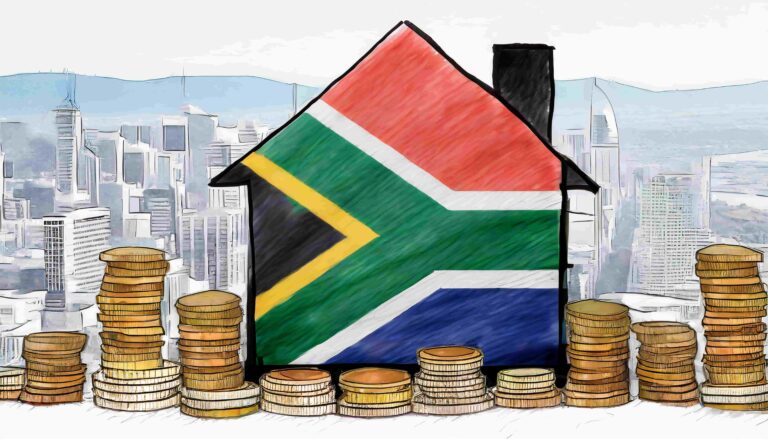
From “Always-On” Europe to Breathing Space in South Africa
Migration pressure, social tension, and why many expats describe calmer day-to-day communities in places like Cape Town, Stellenbosch and Jeffreys Bay
In many parts of Europe, daily life can feel like it runs on permanent “high-alert mode”: constant headlines, sharp debates, and a social climate where people seem one comment away from an argument. Whether you agree with one side or another is not the point—many people, across political views, report the same fatigue: too much noise, too little breathing space.
At the same time, South Africa—especially well-known hubs such as Cape Town, Stellenbosch, and coastal towns like Jeffreys Bay—often comes up in conversations with a different tone. Not “perfect.” Not “problem-free.” But for many expats, more livable on a day-to-day basis: international circles, English-speaking environments, and a community rhythm that feels less polarized.
This article keeps things serious and grounded: what the data says, what it does not say, and why perception and daily social reality can differ so much between regions.
1) Europe’s migration debate: the scale is objectively large
Migration is not just a “feeling” in Europe. The underlying numbers are substantial, and that naturally increases pressure on housing, public services, politics, and social cohesion.
Eurostat reported that in 2024, there were roughly 912,000 first-time asylum applicants in the European Union (a decrease versus 2023, but still historically high). (European Commission)
Eurostat also noted that in 2024, about 780,280 people fleeing Ukraine received temporary protection in the EU (also down from 2023). (European Commission)
These figures do not tell you what to think politically. They do explain why the topic stays prominent—and why societies can feel stretched.
2) Germany as a concrete example: fewer applications, heated debate
Germany shows how “less” can still feel like “a lot.”
Reuters reported that Germany recorded 213,499 asylum applications in 2024, down from 322,636 in 2023 (Interior Ministry figures). (Reuters)
Even with falling numbers, public discourse can remain intense because migration intersects with security concerns, affordability, identity debates, and the overall sense that “the system is under strain.”
3) Social tension and polarization: why the “temperature” feels higher
Beyond migration, there is a broader trend across many countries: a rising sense of grievance and mistrust that makes societies more reactive.
The Edelman Trust Barometer 2025 describes a dynamic where economic fears and distrust feed a stronger “grievance” mindset and more aggressive attitudes in public discourse. (edelman.com)
This matters because it changes how people interpret everything—migration included. In a low-trust environment, even reasonable policy disagreements become identity-level battles.
4) South Africa’s context is different (and the numbers are different)
South Africa also experiences migration. The difference is the context, the patterns, and how it shows up in daily life.
According to Statistics South Africa (Census 2022), South Africa had more than 2.4 million international migrants, roughly just above 3% of the population. (census.statssa.gov.za)
Again: numbers alone do not determine social harmony. But they help explain why “pressure” can manifest differently in different regions.
5) Why expats often mention “easier settling in”: language and accessibility
A practical factor is language.
South Africa’s Constitution lists 12 official languages (including South African Sign Language, added via a constitutional amendment). (justice.gov.za)
Despite that diversity, English is widely used in commerce and everyday interactions—especially in major cities and many coastal towns—making initial integration easier for many international newcomers. (zuidafrika.nl)
In plain terms: you can land, communicate, and build routines quickly—often without the “language wall” that new arrivals face in many European destinations.
6) “Stable local communities” in expat hubs: what people usually mean
When expats describe South African communities as “calmer,” they are typically not making a claim about national politics or macro-economics.
They often mean something simpler:
- More face-to-face community life: sport clubs, school networks, local markets, neighborhood WhatsApp groups (the useful kind).
- A different daily rhythm: outdoor living, earlier socializing, less “doomscroll by default.”
- Mixed social circles: locals + long-term residents + international newcomers in the same cafés, gyms, school events, surf line-ups.
Places like Cape Town and Stellenbosch have natural international gravity (universities, tourism, remote work ecosystems). Coastal towns such as Jeffreys Bay add the “small town effect”: repeated encounters create informal social stability.
Important: this is observational and experiential—not a scientific ranking of “less polarized societies.”
7) Serious reality check: South Africa also has social tensions
A credible discussion must include the uncomfortable part: South Africa has its own pressures, including episodes of anti-migrant activism and xenophobic sentiment.
For example, the Associated Press reported in 2025 on an anti-migrant group disrupting access to public clinics for undocumented migrants—illustrating that migration-related tensions exist in South Africa as well. (AP News)
So the honest conclusion is not “South Africa has no polarization.” It is: many expats experience day-to-day life in certain communities as less socially combustible than what they left behind—while acknowledging real local challenges.
8) If you are considering the move: practical questions that reduce risk
If your goal is “calmer living,” don’t romanticize—systematize. Before you relocate, clarify:
- Where exactly? City vs. small town; coastal vs. inland.
- Your community entry points: school, sports, faith communities, hobbies, professional networks.
- Security and routines: realistic assessment for your area (home security, transport, lifestyle habits).
- Power and connectivity: plan for load shedding realities (solar, inverter, fiber options).
- Residency/tax/legal structure: do proper professional planning; do not “wing it.”
Calm is not only a location. It is also the quality of your planning.
9) Ruttinger Marketing perspective: why this matters for communication and brand strategy
Relocation decisions are increasingly driven by emotion + trust, not just spreadsheets.
If you serve clients across borders (Germany ↔ South Africa), your messaging must:
- acknowledge concerns without inflaming them,
- use verifiable facts (not “hot takes”),
- show realism (benefits and challenges), and
- focus on the human outcome: stability, belonging, and quality of life.
That is exactly where structured communication—brand positioning, content strategy, and credible storytelling—makes a difference.
Disclaimer
This article is informational and not legal, tax, immigration, or security advice. Always obtain professional guidance for your personal situation.
Vom „Dauer-Alarmmodus“ in Europa zur Alltags-Gelassenheit in Südafrika
Migration, soziale Spannungen – und warum viele Auswanderer Orte wie Kapstadt, Stellenbosch oder Jeffreys Bay als „atmungsaktiver“ erleben
In vielen Teilen Europas wirkt der Alltag mittlerweile wie ein System im permanenten „High-Alert“: News-Alarm, harte Debatten, starke Reizbarkeit. Ob man politisch links, rechts oder irgendwo dazwischen steht, ist dabei oft zweitrangig—viele spüren schlicht dieselbe Erschöpfung: zu viel Lärm, zu wenig Luft.
Gleichzeitig taucht Südafrika in Gesprächen auffällig häufig als Gegenbild auf—nicht als „Paradies“, sondern als Ort, an dem manche Auswanderer ihren Alltag als entspannter erleben: internationale, englischsprachige Kontakte, schnellere soziale Anbindung und weniger „Dauer-Konfrontation“ im täglichen Miteinander.
Der Anspruch dieses Artikels: seriös bleiben, Zahlen sauber einordnen und nicht übertreiben.
1) Europas Migrationsdebatte: Die Größenordnung ist objektiv hoch
Migration ist in Europa nicht nur gefühlt präsent—sie ist es auch in den Daten.
Eurostat berichtet für 2024 rund 912.000 Erstanträge auf Asyl in der EU (gegenüber 2023 rückläufig, aber weiterhin auf hohem Niveau). (European Commission)
Zusätzlich nennt Eurostat für 2024 rund 780.280 Menschen mit temporärem Schutz nach der Flucht aus der Ukraine (ebenfalls rückläufig gegenüber 2023). (European Commission)
Diese Zahlen sind keine politische Bewertung—sie erklären aber, warum das Thema gesellschaftlich so stark „zieht“: es berührt Wohnen, Infrastruktur, Sicherheit, Sozialstaat und Identität.
2) Konkretes Beispiel Deutschland: weniger Anträge, trotzdem hohe Temperatur in der Debatte
Reuters berichtet: Deutschland verzeichnete 2024 insgesamt 213.499 Asylanträge, nach 322.636 in 2023 (Zahlen aus dem Bundesinnenministerium). (Reuters)
Dass sich die Debatte trotz sinkender Zahlen nicht automatisch beruhigt, liegt daran, dass Migration oft mit weiteren Sorgen zusammenfällt: Kosten, Vertrauen in staatliche Steuerungsfähigkeit, Sicherheitsgefühl und allgemeine Zukunftsängste.
3) Polarisierung & gesellschaftliche Spannung: Warum sich vieles „schärfer“ anfühlt
Neben Migration gibt es einen größeren Trend: sinkendes Vertrauen und stärkerer „Grievance“-Modus (Beschwerde-/Benachteiligungsgefühl), der Debatten eskalationsanfälliger macht.
Der Edelman Trust Barometer 2025 beschreibt, wie wirtschaftliche Sorgen und Misstrauen das gesellschaftliche Klima verschärfen und aggressivere Haltungen im Diskurs fördern können. (edelman.com)
In so einem Umfeld wird nahezu jedes Thema schneller zu einem Identitätskampf.
4) Südafrika: anderer Kontext – andere Größenordnung
Südafrika hat ebenfalls Migration. Nur ist der Rahmen anders.
Laut Statistics South Africa (Census 2022) leben in Südafrika mehr als 2,4 Millionen internationale Migranten, also knapp über 3% der Bevölkerung. (census.statssa.gov.za)
Das erklärt nicht automatisch „Harmonie“, aber es zeigt: die strukturelle Drucklage kann sich anders ausdrücken als in Teilen Europas.
5) Warum Auswanderer oft von „leichterem Ankommen“ sprechen: Sprache
Ein praktischer Faktor ist Sprache.
Südafrika hat 12 offizielle Sprachen (inklusive South African Sign Language, die per Verfassungsänderung ergänzt wurde). (justice.gov.za)
Gleichzeitig ist Englisch im Alltag—insbesondere in Wirtschaft, Dienstleistung und in vielen urbanen bzw. Küstenregionen—weit verbreitet. (zuidafrika.nl)
Für viele Neuankömmlinge bedeutet das: schneller Routinen aufbauen, weniger Reibung in der Startphase.
6) „Stabile lokale Communities“: Was damit meistens gemeint ist
Wenn Auswanderer Südafrika (bzw. bestimmte Orte) als „gelassener“ beschreiben, geht es oft nicht um nationale Politik, sondern um den Alltag:
- mehr Begegnung im echten Leben (Sport, Schule, Vereine, lokale Märkte)
- schnelleres Gefühl von Zugehörigkeit, weil man Gesichter wiedererkennt
- weniger „online-getriebene“ Dauerempörung im täglichen Miteinander
Kapstadt und Stellenbosch ziehen internationale Gruppen naturgemäß an (Uni, Tourismus, Remote Work). Jeffreys Bay profitiert zusätzlich vom „Small Town“-Effekt: Wiederholung schafft soziale Stabilität.
Wichtig: Das ist eine Erfahrungsbeschreibung—keine wissenschaftliche Rangliste „wer ist weniger polarisiert“.
7) Realitätscheck: Auch Südafrika hat Spannungen
Eine seriöse Einordnung muss sagen: Südafrika hat ebenfalls Migrationsspannungen und xenophobe Dynamiken.
So berichtete die Associated Press 2025 über eine Anti-Migranten-Gruppe, die den Zugang zu öffentlichen Kliniken für undokumentierte Migranten blockierte—ein Beispiel dafür, dass das Thema auch dort Konflikte erzeugen kann. (AP News)
Die ehrliche Schlussfolgerung ist daher nicht „Südafrika hat keine Probleme“, sondern: Viele erleben den Alltag in bestimmten Communities als weniger explosiv—bei gleichzeitiger Anerkennung realer lokaler Herausforderungen.
8) Wenn du über Auswandern nachdenkst: Fragen, die Risiko reduzieren
Wenn dein Ziel „mehr Ruhe“ ist, dann plane nicht romantisch, sondern strukturiert:
- Wo genau? Stadt vs. Kleinstadt; Küste vs. Inland.
- Deine Community-Einstiegspunkte: Schule, Sport, Hobbys, Business-Netzwerke.
- Sicherheitsrealität: seriöse Einschätzung, passend zur konkreten Gegend.
- Strom & Internet: Solar/Inverter/Fiber strategisch mitdenken.
- Recht/Steuern/Residency: professionell klären.
„Gelassenheit“ entsteht selten zufällig. Sie ist oft das Ergebnis guter Entscheidungen.
9) Ruttinger-Marketing-Perspektive: Warum das kommunikativ relevant ist
Viele Lebensentscheidungen werden heute über Vertrauen, Gefühl und Zugehörigkeit getroffen—nicht nur über Zahlen.
Wer zwischen Deutschland und Südafrika kommuniziert (privat oder geschäftlich), braucht Messaging, das:
- Sorgen ernst nimmt, ohne zu polarisieren,
- belastbare Fakten nutzt statt Meinungen,
- realistisch bleibt (Vorteile und Herausforderungen), und
- den menschlichen Kern trifft: Stabilität, Zugehörigkeit, Lebensqualität.
Genau hier setzt strategische Kommunikation an.
Hinweis
Dieser Artikel ist eine allgemeine Information und ersetzt keine Rechts-, Steuer-, Migrations- oder Sicherheitsberatung.